How to Nourish Your Brain as You Age: 5 Essential Nutritional Strategies
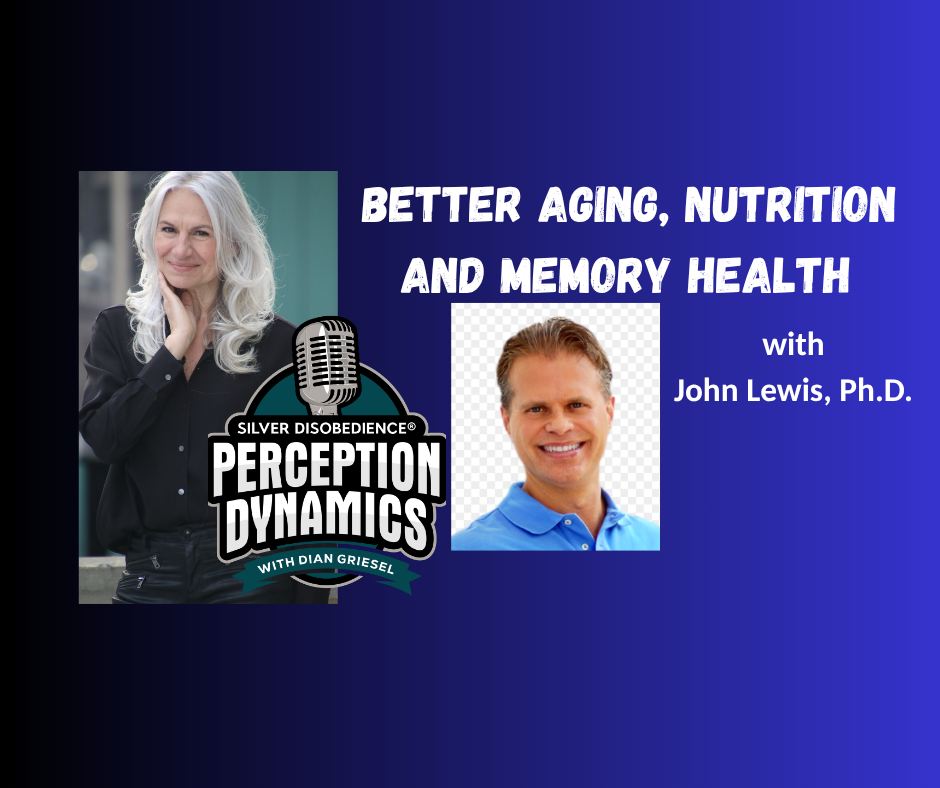
In this SilverDisobedience Perception Dynamics podcast episode, host Dian Griesel converses with John Lewis, Ph.D. Tune in to discover 5 key nutritional strategies to support memory and cognitive function as you age. Learn how diet can enhance brain health for everyone.
As We Age…
As we age, one of the most concerning aspects we face is memory retention and cognitive decline. With an increasing number of studies highlighting the connection between nutrition and brain health, it’s crucial to understand how what we eat can significantly impact our cognitive abilities. In this post, we’ll explore five essential nutritional strategies that can help nourish your brain and enhance your memory as you grow older.
Why Nutrition Matters for Brain Health
Nutritional needs change as we age. Research indicates that certain nutrients play a pivotal role in maintaining cognitive function. For instance, Dr. John Lewis emphasizes the importance of adequate protein intake to counteract the natural decline in digestive efficiency as we age. However, he cautions against the sensationalized views on protein needs, especially for sedentary individuals. Instead, he suggests a balanced diet rich in essential vitamins and minerals, particularly focusing on vitamin D and fiber.
1. Prioritize Vitamin D
Vitamin D is often referred to as a pro-hormone rather than just a vitamin, as it influences over 4,500 genes in the human body. Dr. Lewis highlights that about 70% of Americans are vitamin D deficient, which can lead to numerous health issues, including neurodegeneration and heart disease. To combat this, he recommends:
- Sun Exposure: Aim for 15-30 minutes of sunlight daily, depending on your skin type and location.
- Supplements: If sunlight exposure is limited, consider taking vitamin D3 supplements.
- Dietary Sources: Include foods rich in vitamin D, such as fatty fish, fortified dairy products, and egg yolks.
2. Combine Vitamin D with K2
The synergistic relationship between vitamins D and K2 is crucial for bone health and overall wellness. Dr. Lewis explains that while vitamin D helps absorb calcium, K2 ensures that calcium is directed into the bones rather than the bloodstream, where it can cause problems like atherosclerosis. To optimize this nutrient pairing, consider:
- Supplementing Together: Look for combined vitamin D3 and K2 supplements.
- Dietary Sources: Include foods like fermented products (e.g., natto) and green leafy vegetables that are high in K2.
3. Increase Fiber Intake
Fiber is not just essential for digestive health; it plays a significant role in brain health as well. Dr. Lewis points out that a higher fiber intake can help reduce the risk of colorectal cancer and improve gut health, which is linked to cognitive function. To increase your fiber intake:
- Incorporate Whole Grains: Choose whole grains over refined grains.
- Fruits and Vegetables: Aim for at least 5 servings of fruits and vegetables daily.
- Legumes: Add beans, lentils, and peas to meals for an extra fiber boost.
4. Favor Plant-Based Foods
A plant-based diet has been shown to have numerous health benefits, including better heart health and lower rates of chronic diseases. Dr. Lewis advocates for a primarily plant-based diet, emphasizing:
- Diverse Diet: Include a variety of fruits, vegetables, whole grains, nuts, and seeds.
- Limit Animal Products: Reduce reliance on animal tissues, which can be high in saturated fats and low in essential nutrients.
- Healthy Fats: Incorporate sources of healthy fats, like avocados and olive oil, which are beneficial for brain function.
5. Stay Hydrated
Hydration plays a vital role in maintaining cognitive function. Dehydration can lead to confusion and memory problems. To ensure adequate hydration:
- Drink Water Regularly: Aim for at least 8 glasses of water a day, adjusting for activity levels and climate.
- Monitor Urine Color: A light yellow color typically indicates proper hydration.
- Limit Dehydrating Beverages: Reduce intake of caffeine and alcohol, which can dehydrate the body.
Key Takeaways
To maintain and enhance your cognitive health as you age, focus on these five nutritional strategies: prioritize vitamin D, combine it with K2, increase fiber intake, favor a plant-based diet, and stay hydrated. By making these adjustments, you can support your brain health and improve your memory.
