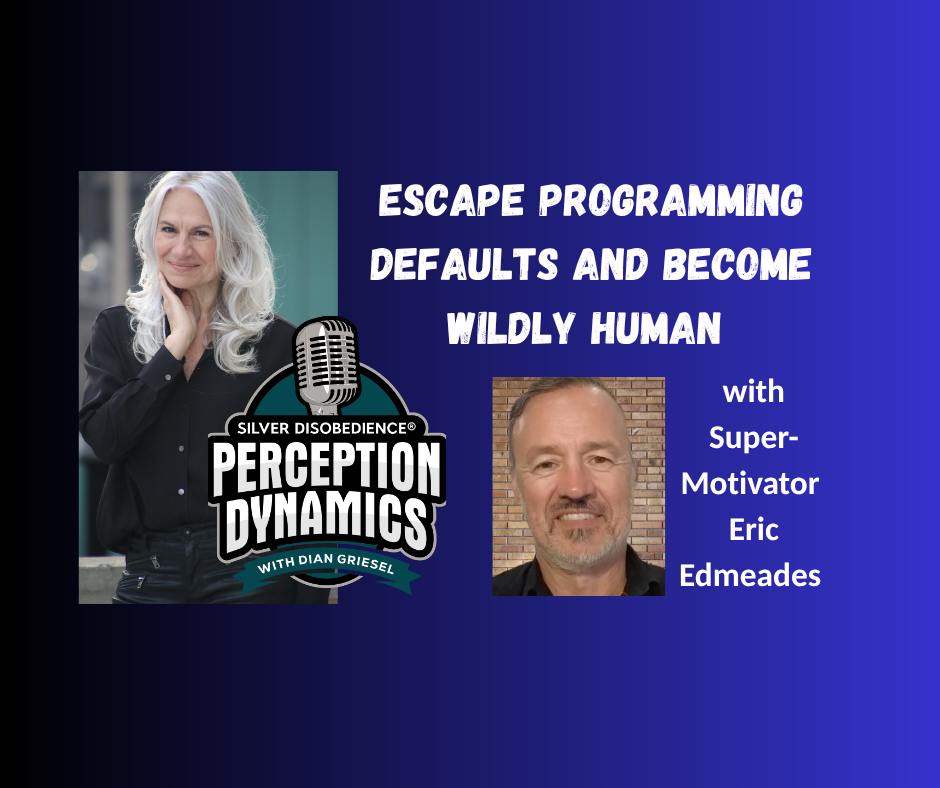
Understanding the Disconnect: Why We Don’t Do What We Know is Best for Us
Learn why understanding our instincts and habits can help us make better choices for our health and well-being. This post is for anyone looking to enhance their self-motivation and leadership skills.
In our lives, we often know what choices would benefit us, yet we fail to act on them. Why is that? In this episode, we’ll explore insights from Eric Edmeades, a renowned expert in self-motivation and leadership, who shares intriguing perspectives on human behavior and decision-making.
The Instinctual Disconnect: What Drives Our Choices?
Many people are often unaware that their decisions stem from deeply ingrained instincts and habits. Edmeades posits that individuals are not necessarily lazy or ignorant; instead, they are acting on what their nervous system perceives to be the best action based on past experiences.
The Historical Context of Survival
- Survival Instincts: Throughout human history, making it through day-to-day life was a significant challenge. If you survived a particular action, your brain often deemed it a successful choice, leading to habitual behaviors that may not serve us well today.
- Evolutionary Mismatch Theory: Our nervous systems have evolved for a very different life than the one we are currently living. Modern comforts and challenges do not align with the survival mechanisms we have inherited from our ancestors.
Misfiring Cues in Modern Life
- Behavioral Patterns: When people engage in activities like smoking or scrolling through their phones, they often feel a sense of relaxation or fulfillment, even if the action isn’t beneficial for them. This misalignment between instinct and modern behavior creates confusion and leads to poor choices.
- Stress and its Impact: Edmeades highlights that while humans experience lower peak stress levels compared to our ancestors, we are subjected to a constant low-level stress that can be debilitating. This pervasive stress often results in unhealthy coping mechanisms.
The Role of Environmental Cues in Decision Making
Our environments play a crucial role in how we perceive safety and well-being. Edmeades emphasizes that the sounds and sights around us can significantly influence our nervous system.
Creating Calming Spaces
- Natural Soundscapes: Incorporating sounds of nature, like birds chirping or running water, can help create a peaceful environment and positively affect our mental state. These sounds remind our brains of safety and abundance, countering the stress of urban life.
- Designing Safe Havens: Edmeades suggests that transforming our home environments to include natural elements can help us better regulate our emotional states and make healthier choices.
Practical Steps to Align Behavior with Knowledge
Understanding the disconnect between what we know and what we do is the first step towards change. Here are some actionable strategies:
- Mindfulness Practices: Engage in mindfulness to become aware of your automatic responses and challenge them. This awareness can help you make intentional choices.
- Environmental Adjustments: Create a home environment that supports your well-being with natural elements and calming sounds.
- Educate Yourself: Continuously seek knowledge about human behavior and decision-making to better understand your instincts.
Conclusion
The journey toward making better choices starts with understanding the disconnect between our instincts and modern life. By recognizing how our environments and evolutionary history influence our behaviors, we can take actionable steps to align our decisions with our knowledge for a healthier and more fulfilling life.
Want to dive deeper into these insights? Listen to the full conversation with Eric Edmeades to explore more about self-motivation and leadership.
Frequently Asked Questions
Why do people know what is best for them yet fail to act on it?
People often act based on their instincts and habits, which may not align with what they know is best due to evolutionary influences and modern stressors.
What is evolutionary mismatch theory?
It is the concept that our nervous systems have evolved for a different kind of life than what we currently experience, leading to misaligned behaviors.
How can I create a calming environment?
Incorporate natural sounds and elements in your living space to promote a sense of safety and well-being.
He shares practical environmental ideas (natural sound, light, air, water) and offers free resources: https://ericedmeades.com/
https://impactdynamics.scoreapp.com/
Please SUBSCRIBE!
I’m Dian Griesel, Ph.D. aka @SilverDisobedience to my hundreds of thousands of monthly blog readers. I am a perceptionist. For 30 years I have helped my clients to achieve greater understanding as to how perceptions impact everything we do whether personally or professionally.
“Raw, truth-driven conversations with fascinating guests — from business & psychology to careers, pop culture & the B.S. in between.” Expect bold questions. Unfiltered insights. A few laughs. Real growth. Subscribe & Join the Conversation.
Show Run:
00:00 Why We Don’t Act
00:56 Survival Habits Explained
02:58 Evolutionary Mismatch Today
04:20 Modern Stress vs Real Danger
06:54 WildFit Origins
07:19 Elephant in the Zoo
09:16 Designing a Calmer Home
11:08 Why Water Feels Safe
13:33 WildFit Nutrition Basics
13:57 Three Fuel Systems
15:51 Seasonal Metabolic Cycling
17:03 Overfed Yet Undernourished
17:40 Movement Beyond Weight Loss
18:53 Nature Deprivation Fix
19:46 Muscle Density for Longevity
20:20 Three Muscle Messages
20:53 Train to Failure
21:25 Lymph Needs Movement
22:51 Rebounding for Flow
23:22 Why Post-Diabetic
24:53 Ruben’s Reversal Story
26:32 Post-Diabetic Framework
28:29 Life Upended by Travel
30:28 Writing New Books
31:31 Stop It and Behavior Change
33:36 Parting Wisdom and Gifts
35:18 Free Tools and Closing
