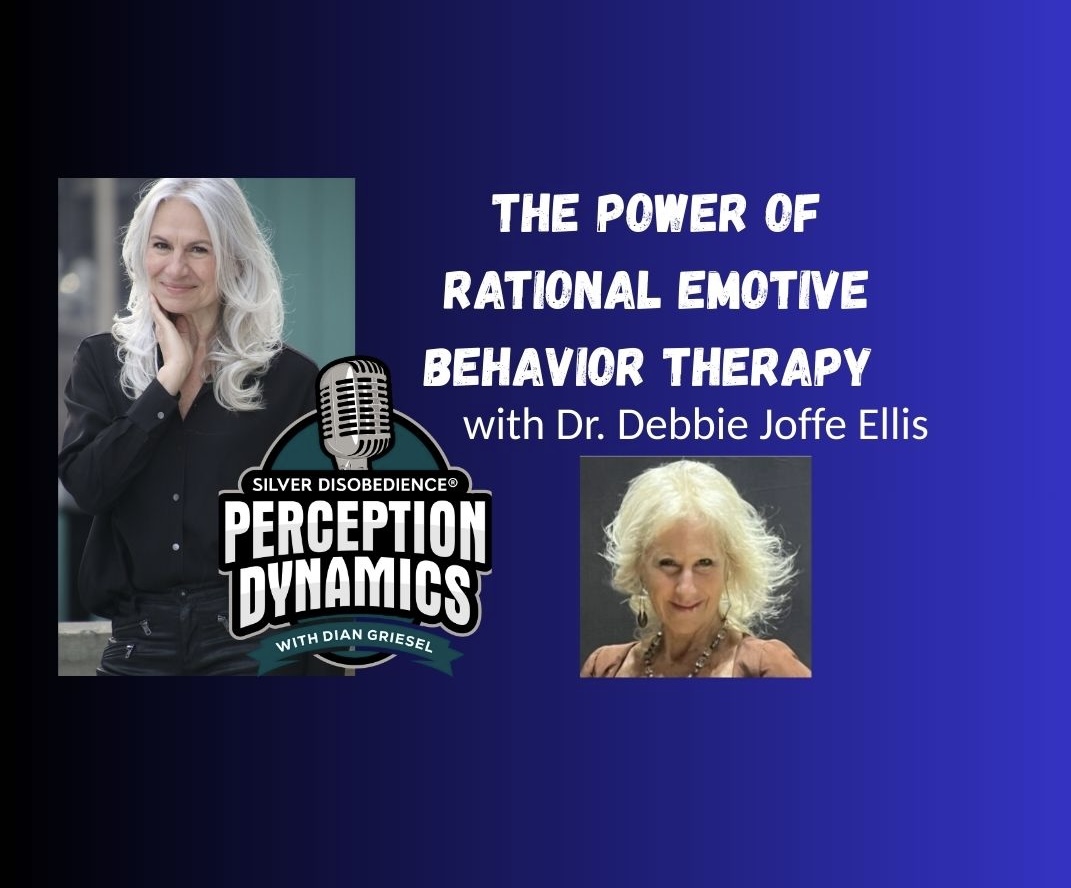
Embracing Rational Emotive Behavior Therapy: Empowering Change and Personal Responsibility
In today’s feature, I am thrilled to share insights from a fascinating conversation with Dr. Debbie Joffee Ellis, a world-renowned expert in Rational Emotive Behavior Therapy (REBT). Our podcast discussion delved deep into the essence of REBT, a cognitive-behavioral approach aimed at identifying, challenging, and transforming irrational beliefs that lead to emotional distress and unproductive behaviors.
Understanding REBT: Rational Thinking Defined
Dr. Debbie eloquently explained that rational thinking is grounded in reality and evidence-based reasoning. It’s a perspective that highlights the importance of logical, clear thought processes, as opposed to the irrational beliefs that often govern our emotional responses. She articulated that while circumstances don’t create our emotions, our thoughts do. When we think irrationally, we tend to experience unhealthy negative emotions.
Emotive Components: Healthier Emotional Responses
A core principle of REBT is understanding the emotional component: How we create emotions through our thought patterns. Dr. Debbie emphasized the importance of distinguishing between rational and irrational emotional responses. For instance, healthy emotions, like concern, can motivate us, whereas anxiety or panic, stemming from irrational beliefs, can lead to paralysis or procrastination.
The Power of Personal Responsibility
One of the most compelling aspects of our conversation was the emphasis on personal responsibility. In a world where blame is often placed on external factors, such as other people or circumstances, REBT champions the empowerment that comes with taking responsibility for our thoughts and emotional responses. This philosophy isn’t about disregarding life’s challenges but rather about approaching them with empowerment and control over our emotional destinies.
Navigating Life’s Challenges with Clarity
Dr. Debbie shared vivid examples, including personal anecdotes, illustrating how REBT can transform the way individuals perceive obstacles and adversities. By fostering a habit of gratitude and rational evaluation, we can alter our perspectives and ultimately our emotional well-being. She provided a striking analogy of coping with trauma and adversity through forgiveness and compassion, suggesting a shift from victim to empowered individual.
Choices and Habits: Shaping Our Emotional Destiny
A recurring theme throughout the conversation was the power of choice and the habits we form around our thinking. Dr. Debbie advised listeners to create a habit of gratitude and awareness, observing and correcting self-torturing thoughts. She encouraged engaging in self-compassion and nurturing oneself as one would a best friend or beloved pet, and in the process, benefiting from a healthier relationship with oneself.
Final Reflections
Dr. Debbie left us with a poignant takeaway: Change is possible, even amidst the darkest times. With a commitment to rational, compassionate thinking, individuals can gently transform their emotional and behavioral responses toward a more fulfilling life.
In closing, I’d like to thank Dr. Debbie Joffee Ellis for her enriching insights into Rational Emotive Behavior Therapy, a true testament to the transformative power of the mind. For those interested in exploring more, links to Dr. Debbie’s works and ways to connect with her are provided below.
For those seeking growth and change, consider this conversation a starting point for embracing a more empowered, rational, and emotionally resilient life.
Get in Touch:
To explore further, please connect with Dr. Debbie through her published works and online resources. Let’s keep the conversation going—share this post with friends who could benefit from the profound teachings of REBT.
Thank you for tuning into the Silver Disobedience Perception Dynamics podcast. This episode was recorded at The Manhattan Center.
Stay empowered, stay rational. With gratitude for your engagement, Dian
