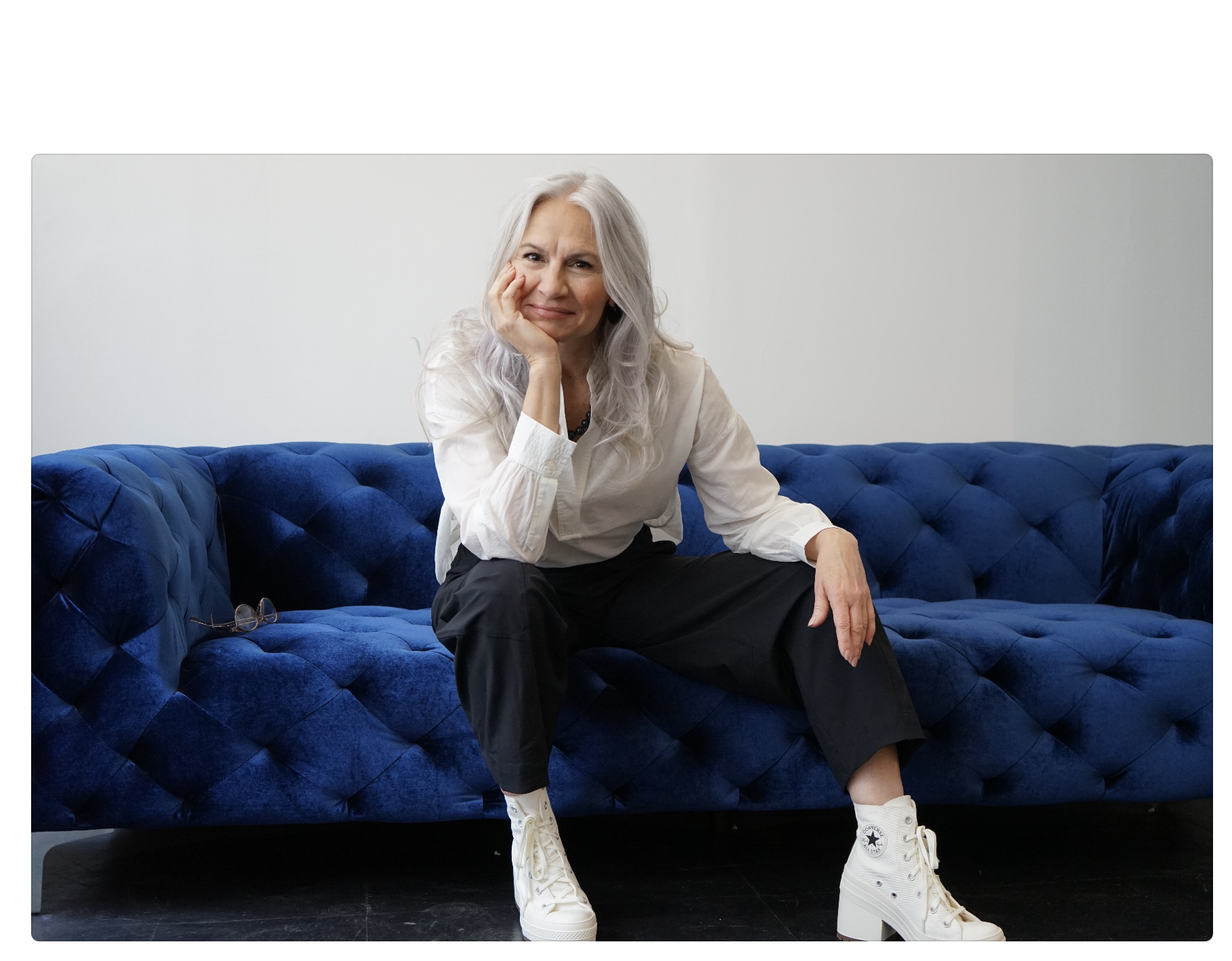
Welcome! Before you think about working with me…or if you’re simply just curious about “Who is Dian Griesel?” I’ll share a bit more here... I’ve always been fascinated by people. What we think. What we believe. What we say. What we don’t say. What we want others to understand about us. And why, despite our best intentions, we sometimes make life so unnecessarily complicated for ourselves and one another.
I believe a satisfying life begins with understanding who we are, recognizing our individual gifts, and accepting responsibility for developing them to the fullest extent possible.
I’ve also come to believe that comparing ourselves to others is largely a waste of perfectly good living time. We’re each an original. Why spend our lives trying to become a copy?
There is something wonderfully paradoxical about investing time in understanding ourselves. What might initially seem like a rather selfish undertaking can ultimately make us more patient, compassionate, generous, and understanding toward others.
The more comfortable we become with our own humanity, including our shortcomings, the less inclined we may be to spend our time finding fault with everyone else’s.
Of course, I didn’t arrive at these conclusions simply by reading books or studying human behavior.
I had to live a little. Make mistakes. Question my assumptions. Reconsider some firmly held beliefs. And, perhaps most importantly, recognize that blaming other people for what seemed wrong or missing in my life wasn’t particularly productive.
That realization changed a great deal for me.
It also deepened a lifelong fascination with what happens beneath the surface of human interaction.
I’m endlessly interested in the processes behind outcomes. The conversations, relationships, emotions, decisions, assumptions, and seemingly insignificant moments that ultimately shape what happens next.
A fleeting expression. A hesitation before answering. The sudden brightness in someone’s eyes. A subtle change in posture. The words someone chooses, or the ones they carefully avoid.
I find these things fascinating.
Not because any single gesture tells us exactly what someone is thinking. It doesn’t. But because, when considered alongside context, history, language, and emotion, such observations can invite questions that reveal something important.
Questions are where I begin.
I listen, observe, consider possibilities, and question what I think I understand. I draw upon decades of conversations, business experiences, formal education, independent study, and a genuine curiosity about everything from science and philosophy to religion, communication, and the complexities of human emotion.
Then I try to make sense of what I’m seeing and hearing.
Sometimes that means identifying a pattern. Sometimes it means recognizing an assumption that deserves reconsideration. Sometimes it’s finding the precise words that allow someone to express something they’ve struggled to articulate.
And sometimes the most useful thing I can do is simply listen while someone discovers their own answer.
This way of thinking isn’t something I turn on when a client calls and turn off when the conversation ends.
It’s how I experience the world.
It influences what I read, what I write, what catches my attention, and the questions that occur to me in the most ordinary moments.
It also explains why I’ve spent so many years writing, creating, exploring, and sharing observations through Silver Disobedience® and Perception Dynamics™.
I have a genuine affection for human complexity. I find people endlessly interesting, even when they’re difficult, contradictory, unpredictable, or completely convinced they’re right.
Perhaps especially then.
After more than three decades of working with individuals and organizations, I’m still learning. Still questioning. Still reconsidering what I think I know.
I hope that never stops.
My underlying philosophy is simple: The better we understand ourselves, the more thoughtfully we can engage with others. And the more clearly we understand how perception shapes our experiences, the more choices become available to us.
That’s the work I do with clients. It’s also the work I continue to do on myself.
And yes, with all these questions, observations, and possibilities constantly competing for attention, it’s not always easy living inside my head!