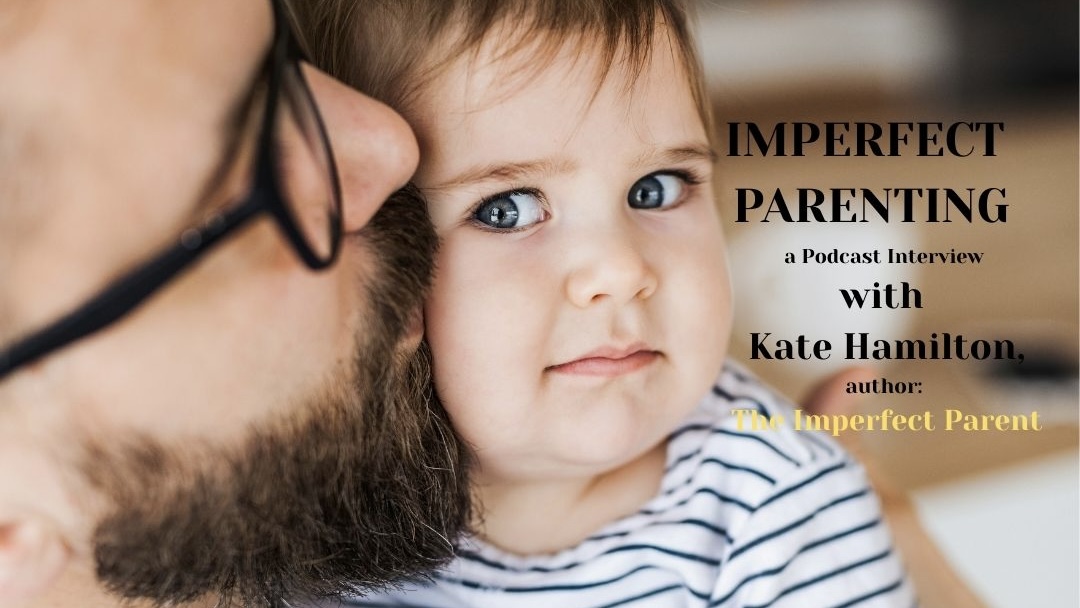
Raising children is an adventure without a map. Every parent can relate to the moment they realize that their little bundle of joy did not come with an instruction manual. We all strive to be the perfect parent, yet we often find ourselves in a maze of imperfection. This concept of embracing our flaws and learning from them is beautifully explored by Kate Hamilton in her insightful book, “The Imperfect Parent.”
The Beginning of Imperfection
In a candid conversation between Dian and Kate Hamilton, the essence of imperfect parenting is explored through humorous anecdotes and heartfelt admissions. Kate shares her journey of realizing that parenting wasn’t about following a rigid manual. Instead, it was about understanding that each child is unique, with their own personality and needs. Her realization? You cannot paint all children with the same brush, as the first child may be diametrically different from the second.
Embracing Imperfection
Kate’s husband humorously dubbed her “the imperfect parent,” a title that she embraced. She discovered that by acknowledging her imperfections, she could say sorry quickly, judge slowly, and learn from the past. It wasn’t about using imperfection as an excuse but rather about leaning into discomfort, trying new things, and learning from mistakes.
Lessons in Imperfection
Kate and Dian share stories that resonate with every parent. From Kate’s children pooping in the front yard to Dian’s experiences with the dynamics of sibling rivalry, each tale is a testament to the unpredictability of parenthood. These stories underscore the importance of giving children choices and allowing them to learn from their own mistakes at a young age.
The Importance of Communication and Boundaries
The idea of parents wanting to be friends with their children is a common yet misguided notion discussed in the podcast. The conversation highlights that children need boundaries, accountability, and guidance which a peer cannot provide. Kate emphasizes that a parent’s role is unique — unconditional love combined with setting expectations and teaching right from wrong.
The Power of Questions
A pivotal aspect of “The Imperfect Parent” is the set of reflective questions at the end of each chapter. Kate believes these questions are essential for any parent or future parent. It’s not about having all the answers but about being prepared and knowing what you want from your parenting experience. These questions help parents clarify their own path amid the chorus of external opinions and guidance.
Negotiation in Parenting
Towards the end of their discussion, Dian and Kate delve into the negotiation with children. Kate believes that negotiating with children depends on their personality and the context. By understanding their motivation, parents can guide their children effectively, teaching them negotiation skills while still setting necessary boundaries.
Conclusion
“The Imperfect Parent” is not just a book; it’s a call to parents everywhere to embrace their imperfections and view them as tools for growth rather than failures. By asking the right questions, setting boundaries, and allowing children to experience the consequences of their choices, parenting becomes a more fulfilling journey.
Kate Hamilton’s perspective on embracing imperfect parenting is a refreshing take that resonates deeply with parents. As life throws its challenges, embracing imperfection as a parent can teach children valuable life lessons.
For more insights and tips on embracing the journey of parenthood, dive into Kate Hamilton’s “The Imperfect Parent,” and consider grabbing a copy for yourself and your parenting partner. Embrace the messy, unpredictable, yet beautiful journey of raising children—because every imperfect moment is a lesson in disguise.
